

Pakistan
Fair Finance Pakistan (FFP) advances the integration of environmental, social, and human-rights standards within Pakistan’s financial system, positioning responsible finance as a central pillar of equitable and sustainable development.
Operating as the national platform of the Fair Finance International (FFI) network, FFP works to ensure that financial institutions align capital allocation with internationally recognised sustainability norms. Through rigorous research, policy engagement, and multi-stakeholder dialogue, FFP promotes financial sector practices consistent with the UN Guiding Principles on Business and Human Rights, OECD Guidelines for Multinational Enterprises, and emerging global sustainable finance frameworks.
At the core of FFP’s work lies a foundational premise: finance is not neutral.
The governance of capital — how it is allocated, regulated, and monitored — fundamentally shapes development trajectories, environmental outcomes, and social equity. FFP therefore seeks to reposition finance as a strategic lever for climate resilience, social justice, and inclusive economic transition.
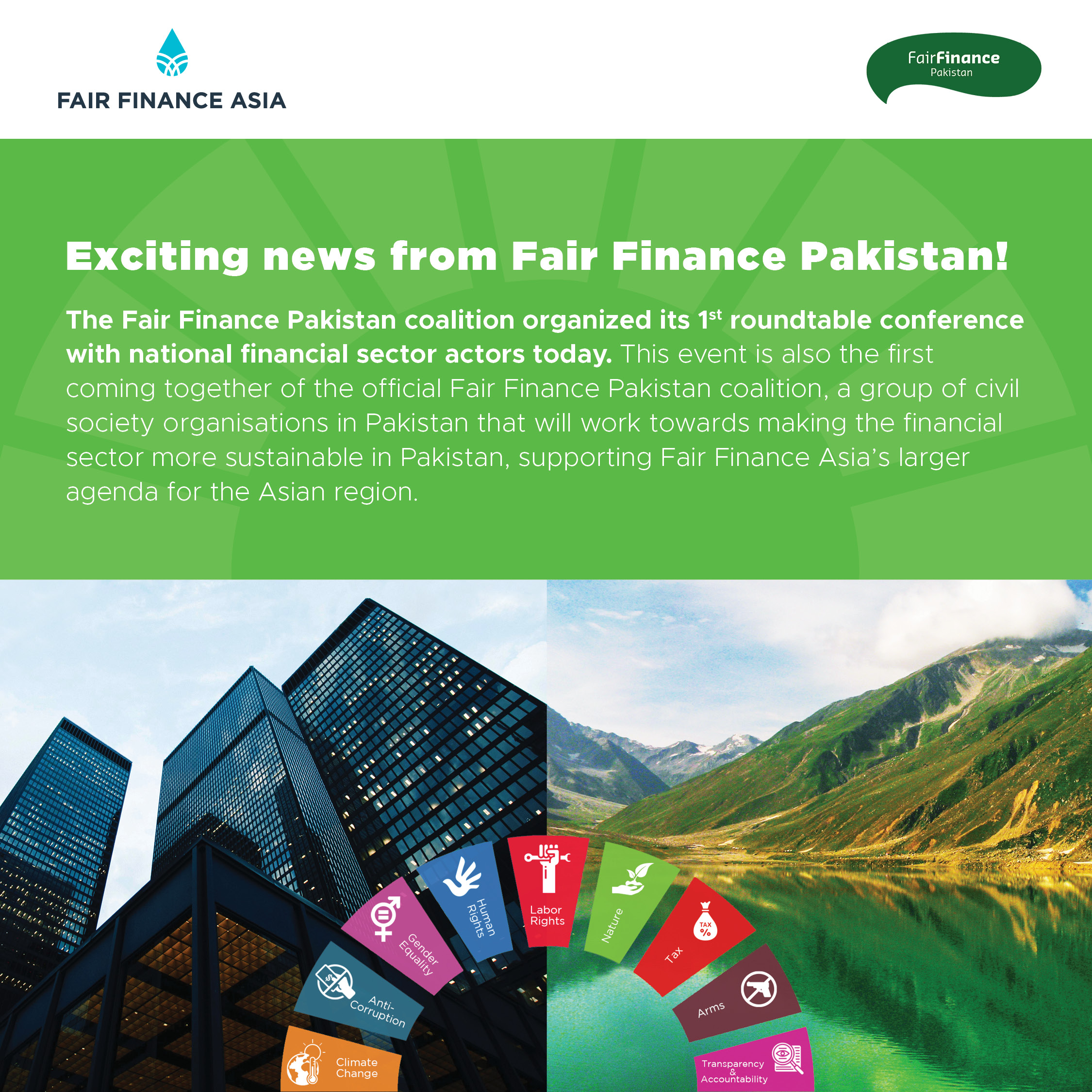
Using the FFGI methodology, FFP systematically benchmarks commercial banks against global sustainability standards across critical thematic areas including:
- climate change
- biodiversity and nature
- human rights and labour standards
- health and pollution
- gender equality
- governance and transparency
These assessments provide an evidence-based foundation for policy reform, enabling regulators, investors, and civil society to evaluate the alignment of financial institutions with international sustainability norms.
Policy Leadership and System-Level Reform
FFP has played a catalytic role in advancing system-level financial governance reforms in Pakistan, particularly at the intersection of environmental risk, public health, and financial regulation.
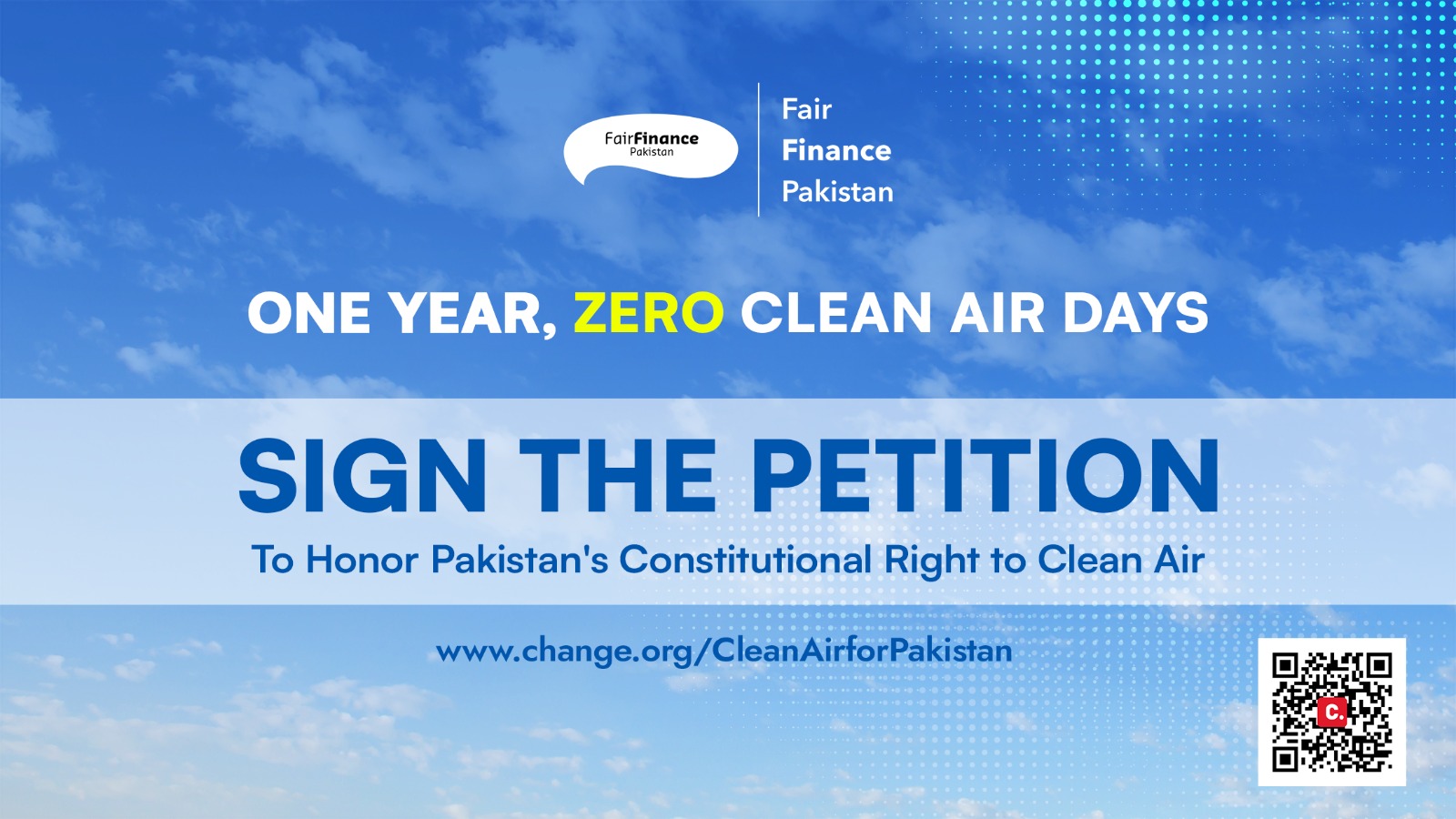
Through its national #LegislateNow initiative, FFP has contributed to evidence-based policy dialogue on Pakistan’s escalating air-pollution crisis — helping inform the constitutional recognition of the right to a clean, healthy, and sustainable environment under Article 9A of the Constitution of Pakistan.
Building on this work, FFP has advanced a new policy paradigm: air pollution as a material financial risk rather than solely an environmental concern. This approach reframes air quality governance within the broader architecture of financial stability, industrial transition, and responsible investment.
FFP’s policy engagement spans a wide spectrum of stakeholders, including:
- financial regulators and central bank authorities
- commercial banks and capital market institutions
- industry chambers and private sector actors
- parliamentary committees and policymakers
- academic and research institutions
- civil-society coalitions
International Collaboration
FFP’s work is anchored in international partnerships that bridge finance, science, and policy.
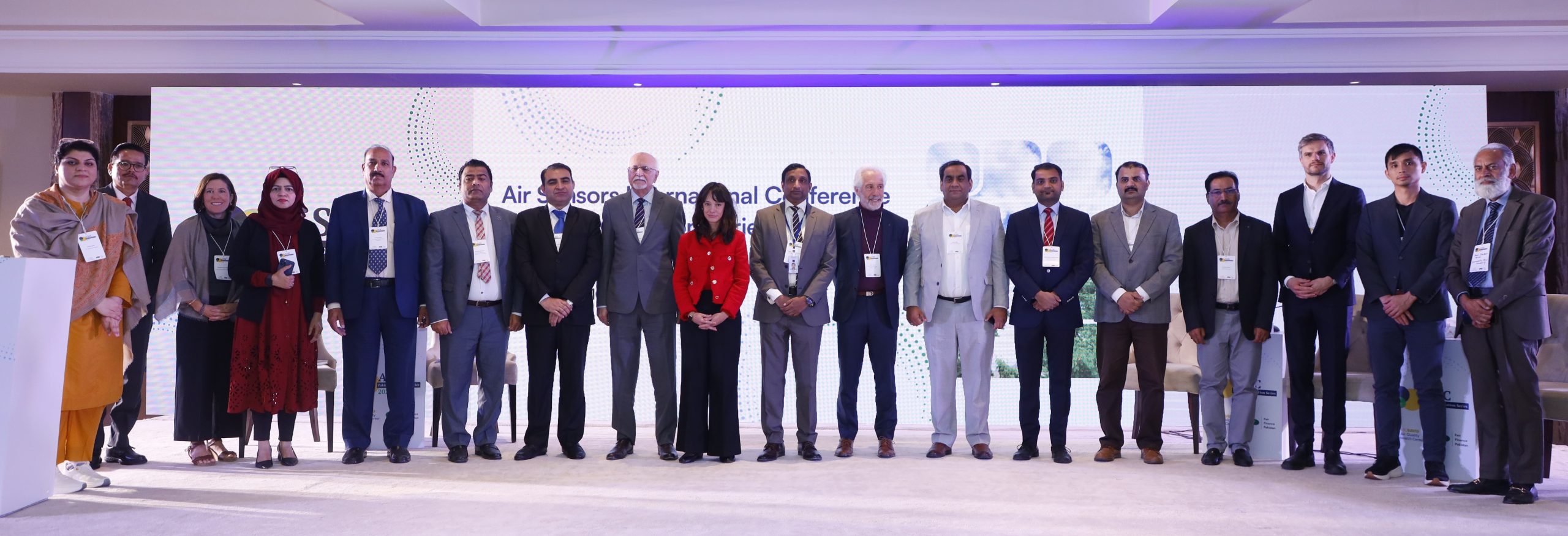
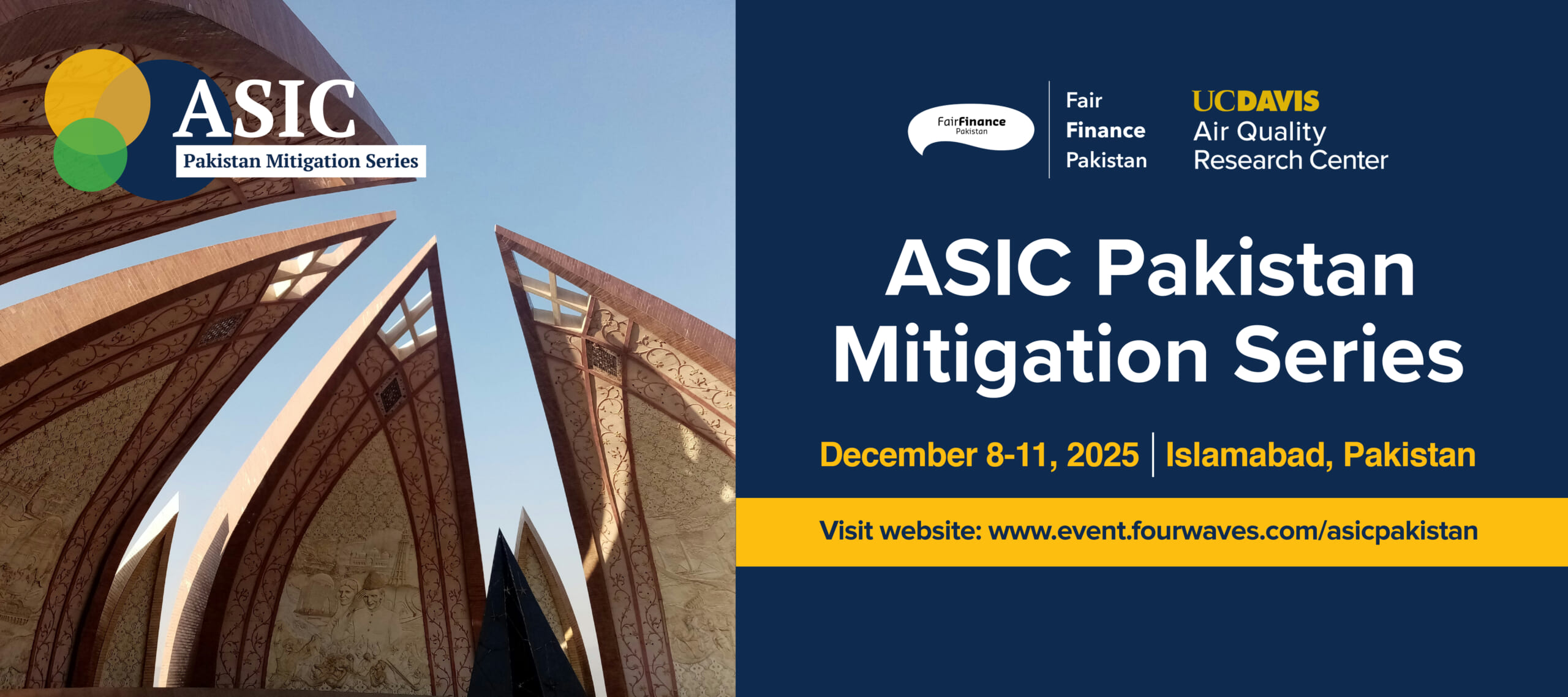
A major milestone in this effort was the ASIC Pakistan Mitigation Series (2025), convened in collaboration with the UC Davis Air Quality Research Center (AQRC). The series brought together regulators, financial institutions, scientists, multilateral organizations, industry leaders, and civil society to operationalize a finance–science–policy convergence model for clean-air governance and industrial emissions mitigation.
This initiative reflects FFP’s broader mission to connect global research expertise with national policy reform, strengthening Pakistan’s capacity to integrate sustainability risks into financial decision-making.
FFP has also contributed to policy dialogue surrounding Pakistan’s National Green Taxonomy and broader sustainable finance reforms within the country’s financial regulatory architecture.
Institutional Network
FFP operates through a broad national coalition of research institutions, consumer protection organizations, academic partners, and civil-society groups, ensuring that financial governance reforms are informed by diverse expertise and grounded in societal priorities.
Through this collaborative model, FFP advances a clear vision:
Financial systems must evolve to serve both economic prosperity and societal well-being.
Key Publications
Strengthening Sustainable Finance in Pakistan – A Scoping Review towards Institutionalizing Fair Finance Pakistan
This foundational study maps the evolving landscape of sustainable finance in Pakistan and identifies structural gaps in the integration of environmental, social, and governance (ESG) considerations within the financial sector. The report provides a strategic roadmap for institutionalizing responsible finance practices and strengthening regulatory frameworks, offering critical insights for policymakers, financial regulators, and financial institutions committed to aligning capital with long-term public interest.
Pitfalls of Restoring Energy Security with Coal Power Plants in Pakistan
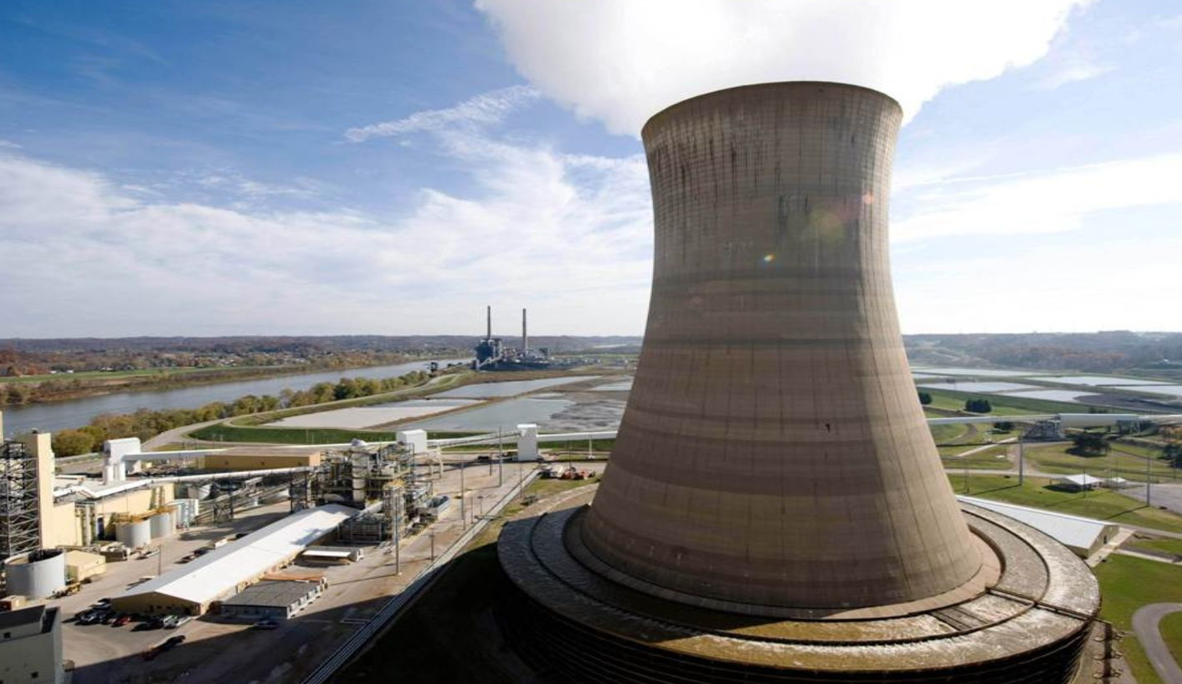
This report examines the financial, environmental, and public-health implications of Pakistan’s coal-based power expansion. Drawing on international evidence and national policy analysis, it highlights the systemic risks associated with carbon-intensive energy infrastructure and underscores the need for a clean-energy transition supported by responsible financial practices.
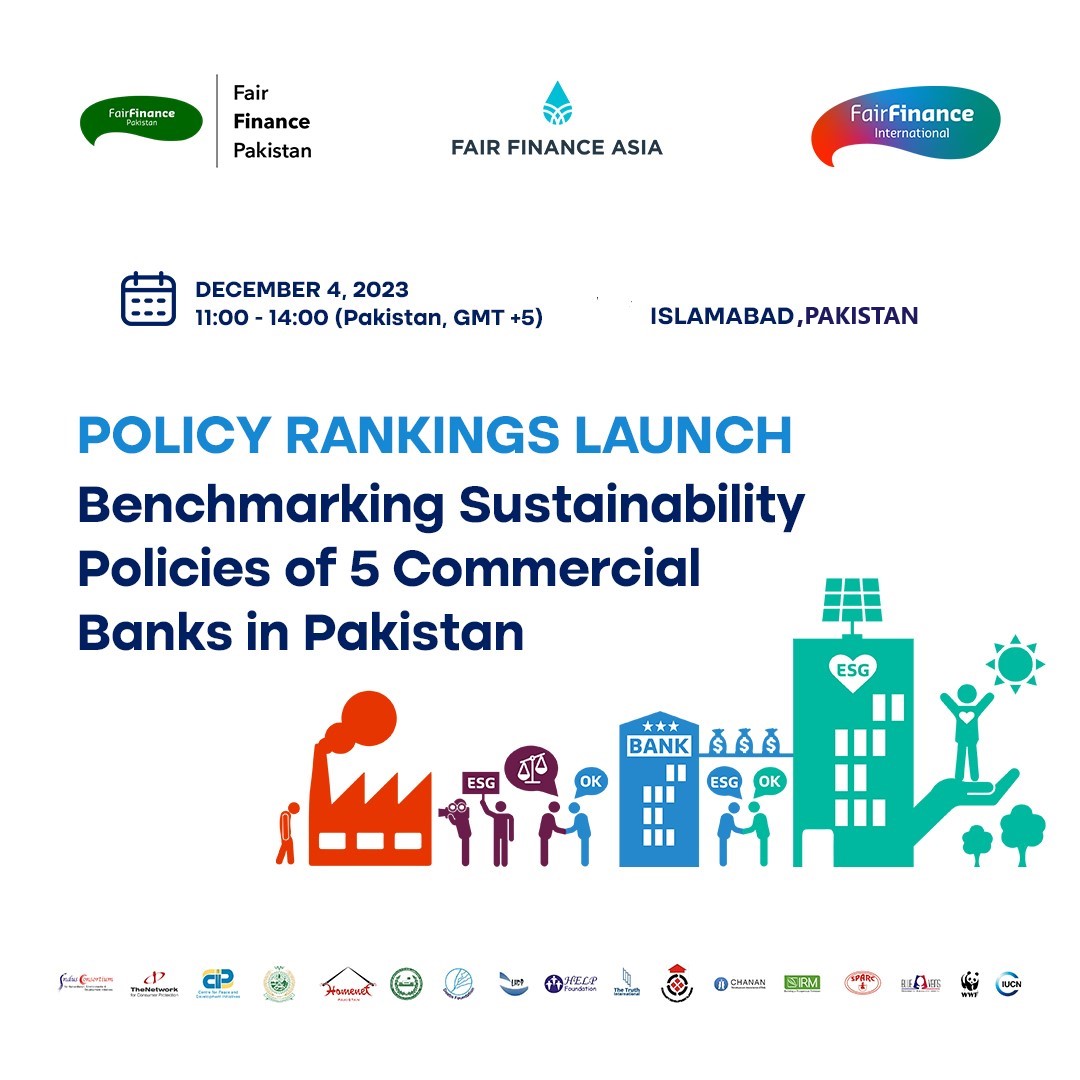
Benchmarking the Sustainability Policies of Banks in Pakistan
This landmark assessment evaluates leading Pakistani commercial banks against global sustainability standards using the Fair Finance Guide International (FFGI) methodology. The study assesses bank policies across key thematic areas including climate change, biodiversity, human rights, labor standards, gender equality, and governance. The findings provide an evidence-based benchmark to strengthen transparency, accountability, and responsible
banking practices within Pakistan’s financial sector.
The Dark Side of Banks in Pakistan
This case study examines Pakistan’s financial consumer protection framework and highlights critical gaps between regulatory commitments and on-the-ground practice. Drawing on comparative international standards, the report provides policy recommendations to strengthen rights-respecting financial governance and ensure greater accountability within the banking sector.
Air Pollution — A Solvable Problem
Air pollution represents one of Pakistan’s most severe public-health and economic challenges, costing the country an estimated 6.5% of GDP annually and reducing life expectancy by more than five years in the most affected regions. Co-authored with the UC Davis Air Quality Research Center, this policy brief evaluates Pakistan’s national and provincial clean-air frameworks and proposes evidence-based industrial transition pathways to achieve measurable improvements in air quality.
Emerging Workstreams and Strategic Initiatives
Pakistan Clean Air Finance Framework (PCAFF)
Building on the policy dialogue catalyzed through the ASIC Pakistan Mitigation Series, FFP is currently advancing the development of the Pakistan Clean Air Finance Framework (PCAFF) — an innovative policy initiative designed to integrate air-pollution risk into Pakistan’s financial governance architecture.
PCAFF seeks to reposition air pollution not solely as an environmental or public health concern, but as a systemic financial risk with material implications for industrial productivity, labour welfare, and long-term economic stability.
The framework aims to support financial institutions, regulators, and industry stakeholders in identifying, assessing, and managing air-pollution exposure across key economic sectors. Through a combination of policy guidance, financial risk metrics, and sectoral transition pathways, PCAFF will provide a structured basis for embedding clean-air considerations within credit allocation, industrial investment, and financial disclosure practices.
The initiative is being developed through a multi-stakeholder consultation process involving financial regulators, commercial banks, industry associations, academic institutions, and civil society organizations (CSOs), ensuring that the framework reflects both international best practice and Pakistan’s national policy context.
Clean Air and Financial Sector Transition White Paper
Complementing the PCAFF initiative, Fair Finance Pakistan is preparing a comprehensive White Paper on Clean Air and Financial Sector Transition, which will examine the intersection of industrial emissions, financial flows, and regulatory governance in Pakistan.
The White Paper will provide a detailed analytical assessment of how Pakistan’s financial sector can contribute to addressing the country’s escalating air-pollution crisis through responsible financing practices, risk disclosure mechanisms, and industrial transition strategies.
Drawing on international policy developments — including sustainable finance taxonomies, climate-risk disclosure frameworks, and emerging financial-sector accountability standards — the White Paper will outline practical policy recommendations for regulators, financial institutions, and industry stakeholders.
The report aims to inform future policy dialogue with financial regulators, parliamentary committees, and international partners, contributing to the broader effort to align Pakistan’s financial system with global sustainability and public-health objectives.
2026 Bank Policy Assessment
FFP will also publish its next round of bank policy assessments in 2026, evaluating the sustainability commitments of leading commercial banks in Pakistan.
The forthcoming assessment will analyze the policies of seven major commercial banks, examining their alignment with international standards across thematic areas including:
- climate change and energy transition
- biodiversity and environmental protection
- human rights and labour standards
- gender equality and financial inclusion
- health and pollution
- transparency and governance
Using the FFGI methodology, the assessment will provide an independent evaluation of the extent to which banks are integrating environmental and social considerations into their financing policies and risk management frameworks.
The findings will contribute to strengthening transparency, accountability, and responsible banking practices within Pakistan’s financial sector, while providing a constructive basis for engagement between financial institutions, regulators, and civil society.
Our Partners


















Key Publication

Policy Assessment

Case Studies

Policy Briefs
News and events

Contact Us
Fair Finance Pakistan
Address: Islamabad, Pakistan

Don’t miss the latest updates from the FFA network!